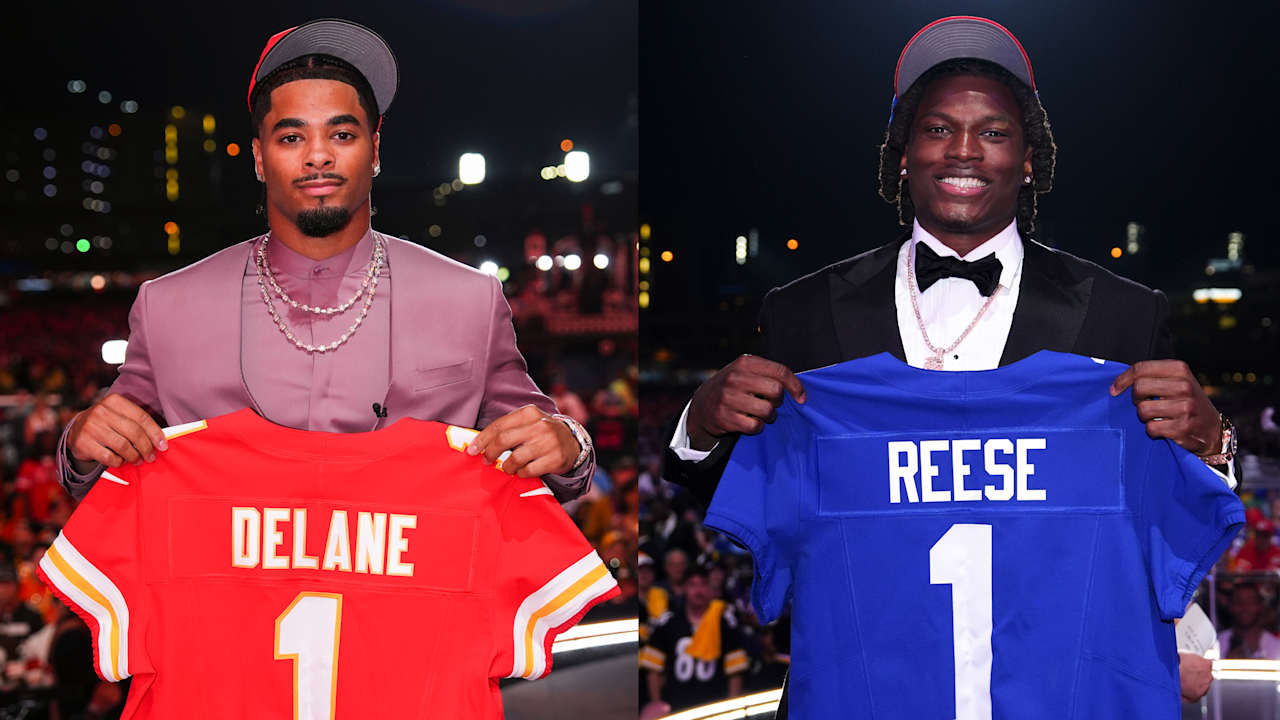
The Kansas City Chiefs aren’t just riding momentum from past success—they’re actively reshaping their future. Following the 2026 NFL Draft, the Chiefs have vaulted up the NFL power rankings, not through flashy headlines or veteran acquisitions, but through disciplined, value-driven drafting that reinforces their Super Bowl-contending DNA.
Meanwhile, the San Francisco 49ers—despite stacking talent—find themselves under fresh scrutiny. For the third consecutive draft, they’ve reached on prospects, prioritizing perceived upside over board discipline. While their roster remains loaded, the pattern raises questions about long-term sustainability.
This contrast in philosophy—Kansas City’s calculated precision versus San Francisco’s aggressive gambles—now defines the NFL’s upper tier.
Chiefs’ Draft Strategy: Patience, Value, and Roster Fit
The Chiefs didn’t select in the top 15, but their approach in the 2026 draft was textbook efficiency. With picks at 28, 32, and 61, they targeted three players who filled immediate needs without stretching:
- OT Tyler Dye (Round 1, 28th overall): A smooth-footed blindside protector from Oregon, Dye steps in as a potential successor to Joe Thuney while adding athleticism to the line.
- S Malik Harris (Round 2, 32nd): A rangy safety from LSU with ball-hawking instincts, Harris upgrades the back end and pairs well with Bryan Cook.
- Edge Oren Thompson (Round 2, 61st): A high-effort pass rusher with bend and leverage, drafted to support George Karlaftis and Frank Clark.
What sets these picks apart is value alignment. All three were ranked within half a round of their selection spot by most draft analysts. No reaching, no ego picks—just a clean, needs-based strategy executed with precision.
“It’s not about picking the best player available,” said a Chiefs insider. “It’s about picking the best player available for us—someone who fits our scheme, culture, and timeline.”
49ers Repeat Draft Tendency: Reaching for Upside
In contrast, the 49ers entered the draft with seven picks but left with criticism after two early selections defied consensus rankings.
- CB Darius Cole (Round 1, 10th overall): Projected as a late-first or early-second, Cole was a physical corner with raw coverage skills. But at No. 10? Analysts widely saw that as a reach.
- TE Josh Meade (Round 2, 45th): A tight end with elite athletic testing but limited production, Meade was taken 10 spots ahead of his average draft position.
San Francisco’s front office, led by John Lynch and Kyle Shanahan, has a well-documented history of betting on athletic traits. They did it with Deebo Samuel, George Kittle, and Brandon Aiyuk—and those paid off. But the hit rate on such gambles is inconsistent. Over the past four drafts, the 49ers have selected five players in the top 50 who were not consensus top-75 talents. Of those, only two have become starters.
“Reaching isn’t inherently wrong,” said NFL Draft analyst Dan Kadar. “But when it becomes a habit, it compresses your margin for error. One miss can cost you two useful players.”
Power Rankings Shift: Why the Chiefs Are Rising
Power rankings aren’t just about current rosters—they reflect trajectory, depth, and roster construction. Here’s where teams stand post-draft:
| Team | Pre-Draft Rank | Post-Draft Rank | Change | Notes |
|---|---|---|---|---|
| Kansas City Chiefs | 4 | 2 | +2 | Improved OL, secondary, edge depth |
| San Francisco 49ers | 2 | 3 | -1 | Talent-rich but draft reach concerns |
| Buffalo Bills | 3 | 4 | -1 | Quiet draft, minimal impact |
| Baltimore Ravens | 5 | 1 | +4 | Aggressive trades for impact rookies |
| Detroit Lions | 6 | 5 | +1 | Balanced, value-driven selections |
The Chiefs’ rise isn’t just about the players they picked—it’s about how they picked. In building depth along the offensive line, shoring up the secondary, and adding rotational pass rushers, they’ve addressed vulnerabilities without disrupting team chemistry.
Patrick Mahomes still has elite weapons: Travis Kelce (still productive at 36), Rashee Rice, and DeAndre Hopkins (if re-signed). But the real story is the supporting cast. The 2026 draft class adds insurance against aging and injury—a critical edge in a league where attrition is relentless.
The Risk of Reaching: What History Tells Us
“Reaching” isn’t a new phenomenon. Every year, teams fall in love with prospects and override draft boards. But over time, the cost becomes evident.
Consider these historical examples:
- 2017: Mitchell Trubisky at No. 2 – Bears reached for a quarterback many viewed as a mid-first-round talent. The pick crippled Chicago’s rebuild.
- 2021: Micah Parsons at No. 12 – Cowboys selected a generational talent early, but even that was debated as a slight reach. It worked, but luck played a role.
- 2023: Jalen Carter at No. 9 – Eagles took a defensive tackle with off-field concerns early. He’s become a star, but the risk was high.
The 49ers’ 2026 picks fall into a gray zone. Darius Cole has Pro Bowl potential—but so did Fabian Moreau and Sidney Jones, both early reaches who fizzled.
The danger isn’t that Cole or Meade will fail. It’s that by reaching, San Francisco passed on higher-value players who could’ve filled depth roles or been trade chips. In a salary-cap league, capital efficiency matters.
Why Draft Discipline Wins Long-Term
The Chiefs’ sustained success isn’t accidental. Behind the scenes, their draft room operates with unique discipline:
- Strict grading scales: Players must hit thresholds in athletic testing, character, and scheme fit.
- No “trendy” picks: The team avoids prospects with social media buzz but inconsistent tape.
- Rigorous post-draft review: Every selection is evaluated a year later to refine the process.
Compare that to the 49ers, where coaches reportedly lobbied hard for Meade after a standout Pro Day. That kind of influence can distort decision-making.
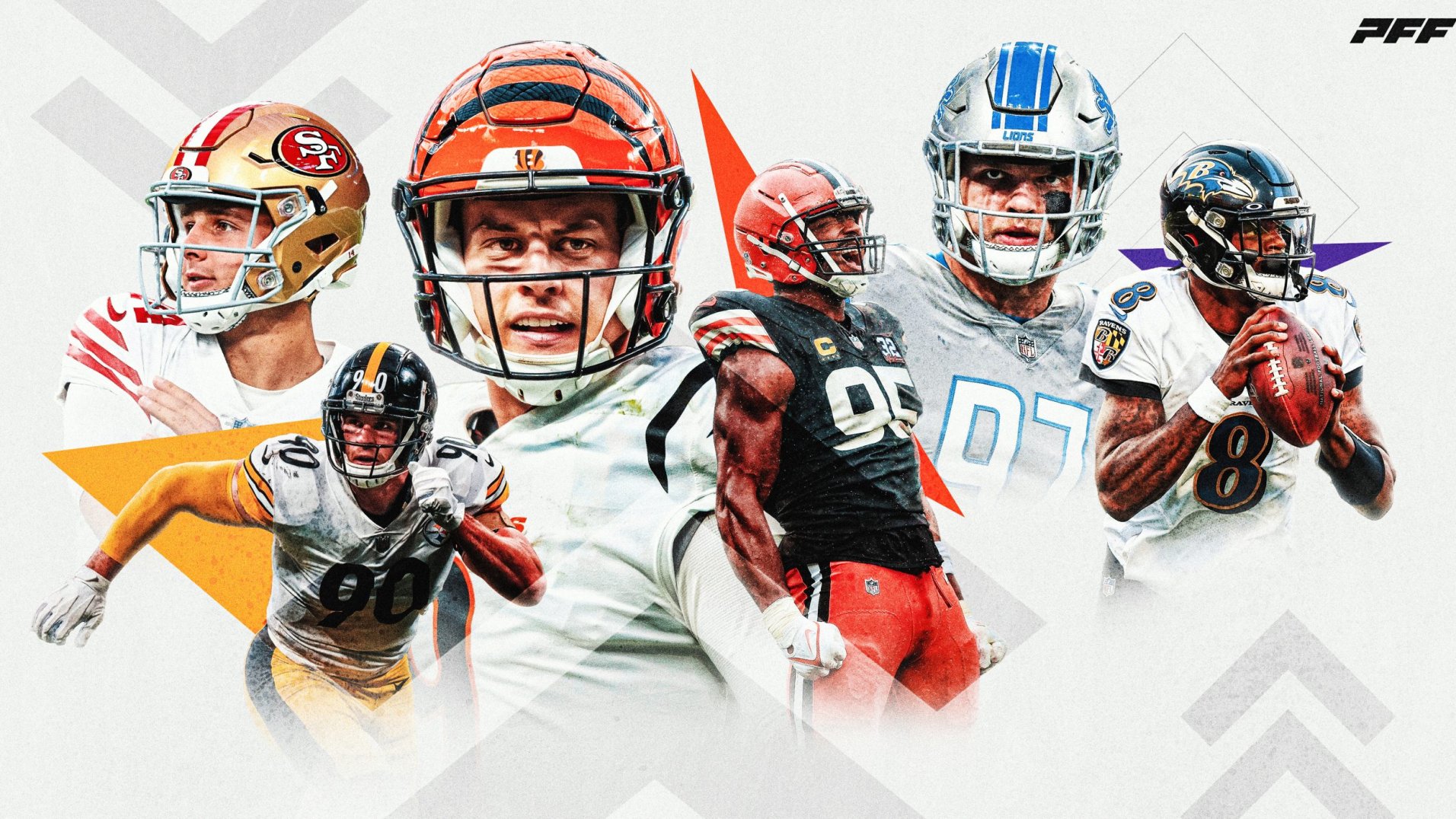
Teams that consistently win the draft don’t always take the flashiest names. They avoid whiffs, maximize late-round value, and rarely overpay in draft capital.
The Chiefs took a fourth-round flier on WR Jalen Preston (SMU), a slot receiver with YAC ability. He may never start, but he’s a potential special teams contributor and depth piece. The 49ers? They had no fourth-round pick—traded it in 2025 for a mid-season rental.
Roster Outlook: Chiefs Built for Flexibility
Post-draft, the Chiefs’ roster looks deeper and more balanced than in recent years.
Offense: - Line: Rebuilt with Dye, Creed Humphrey, and a strong backup group. - Skill players: Mahomes has Rice, Hopkins (pending), and a reliable tight end room. - Bench: Improved with younger, cheaper options.
Defense: - Secondary: Harris adds range and youth behind Cook. - Edge: Thompson and Nazeeh Johnson give Frank Clark rest. - D-line: Balanced rotation with tackle depth.
By contrast, the 49ers have elite starters—but thin benches. Losing Trent Williams for two games in 2025 exposed their lack of offensive line depth. Adding another corner and tight end doesn’t fix that.
“People focus on stars,” said an AFC personnel director. “But championships are won by the 45th and 50th guys on the roster. That’s where the Chiefs are winning now.”
What This Means for the 2026 Season
The power rankings shift is symbolic of a larger trend: sustainable success comes from process, not just talent.
The Chiefs aren’t flashy, but they’re consistent. They don’t chase headlines—they build. That approach has kept them in contention year after year, even as rivals cycle through rebuilds.
The 49ers remain dangerous. With Brock Purdy, Christian McCaffrey, and a dominant defensive front, they can beat anyone on a given Sunday. But their draft habits introduce volatility.
If Cole and Meade become stars, the criticism fades. But if they stall, the questions will grow louder—especially when cheaper, safer options were available.
For now, the Chiefs sit second in most power rankings, behind only the Ravens, who made bold moves in free agency and the draft. But in the AFC, Kansas City is once again the team to beat.
The Bottom Line: Build Smart, Stay Competitive
The 2026 draft didn’t crown a champion, but it revealed who’s building wisely.
The Chiefs rose not because they made spectacular picks, but because they avoided mistakes. They filled needs, added depth, and stuck to their process. That’s how you stay atop the NFL food chain.
The 49ers? Still loaded. Still dangerous. But their tendency to reach—while occasionally rewarding—undermines roster balance and long-term planning. In a league where margins are razor-thin, that could be the difference between a deep run and another early exit.
For fans and franchises alike, the lesson is clear: Don’t reach for glory. Build it.
Frequently Asked Questions
Why are the Chiefs rising in power rankings after the draft? The Chiefs made value-based picks that addressed key needs—offensive line, pass rush, and secondary—without sacrificing draft capital or roster balance.
Did the 49ers make mistakes in the 2026 draft? Not necessarily mistakes, but reaching on Darius Cole and Josh Meade defied consensus rankings, raising concerns about draft discipline and long-term roster construction.
Who did the Chiefs draft in 2026? Notable picks include OT Tyler Dye (1st round), S Malik Harris (2nd), Edge Oren Thompson (2nd), and WR Jalen Preston (4th).
Are the 49ers still a Super Bowl threat? Yes. With Brock Purdy, a strong defense, and proven stars, they remain a top-tier team—but draft reach risks could hurt depth and flexibility.
How important is draft discipline in the NFL? Critical. Teams that consistently take value-aligned players—like the Chiefs—maintain depth, avoid whiffs, and sustain contention longer.
What’s the biggest difference between the Chiefs and 49ers’ draft approaches? The Chiefs prioritize fit and value; the 49ers often prioritize athletic upside, even if it means reaching on boards.
Can reaching on draft picks ever work? Yes—Deebo Samuel and George Kittle were reaches who became stars. But relying on outliers is riskier than a disciplined, repeatable process.
FAQ
What should you look for in Chiefs Surge in NFL Power Rankings After Draft Haul? Focus on relevance, practical value, and how well the solution matches real user intent.
Is Chiefs Surge in NFL Power Rankings
After Draft Haul suitable for beginners? That depends on the workflow, but a clear step-by-step approach usually makes it easier to start.
How do you compare options around Chiefs Surge in NFL Power Rankings After Draft Haul? Compare features, trust signals, limitations, pricing, and ease of implementation.
What mistakes should you avoid? Avoid generic choices, weak validation, and decisions based only on marketing claims.
What is the next best step? Shortlist the most relevant options, validate them quickly, and refine from real-world results.